
Stinging Insects
Yellow Jacket
Black-and-yellow wasps that nest in the ground, wall voids and attics. The most common cause of stings at late-summer patios and barbecues.
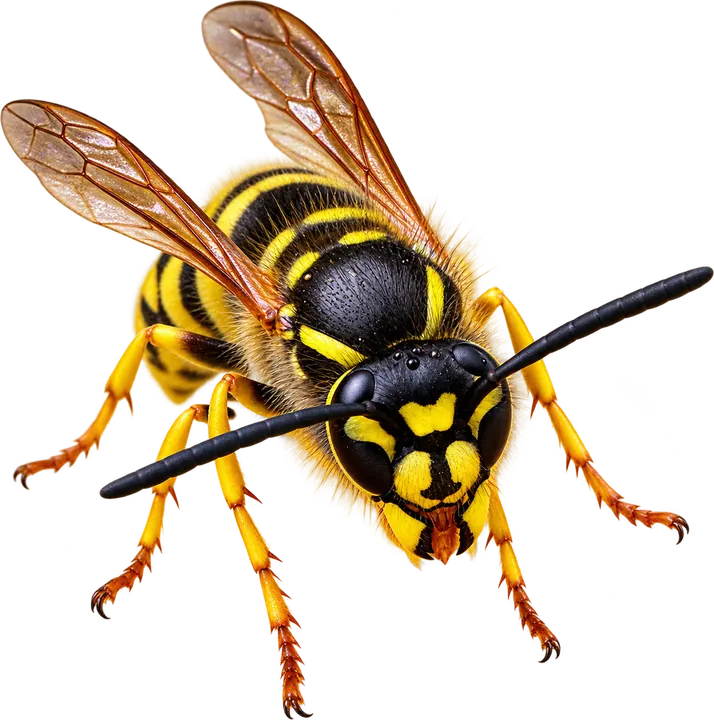
Quick facts
- Size
- 1–1.6 cm
- Colour
- Bright black and yellow bands
- Active season
- Spring to first frost; peak in late summer
- Where found
- Ground holes, wall voids, attics, sheds
How to Identify
- Stout, shiny black-and-yellow body — not fuzzy like a bee
- Fast, side-to-side flight before landing
- Usually nest in hidden spots, not exposed combs
Signs to Look For
- Wasps flying in and out of a hole in the ground or a wall
- Large numbers around garbage, drinks and food
- Chewing or buzzing sounds inside a wall
Why It Matters
- Aggressive defenders that can sting many times
- Late-summer colonies can contain thousands of workers
- Dangerous for people with sting allergies
- Wall nests can chew through drywall into living spaces
Prevention Tips
- Keep garbage, compost and recycling sealed
- Cover food and drinks outdoors
- Seal gaps in siding and soffits in spring
- Never plug a nest opening in a wall — they may chew their way inside
More Stinging Insects
Related Pests
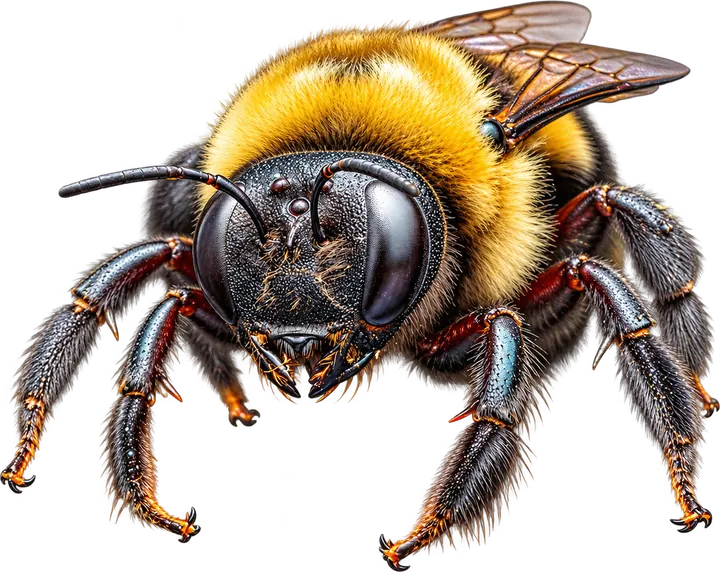
Moderate risk
Carpenter Bee
A large bee that looks like a bumble bee but has a shiny black abdomen.
View pest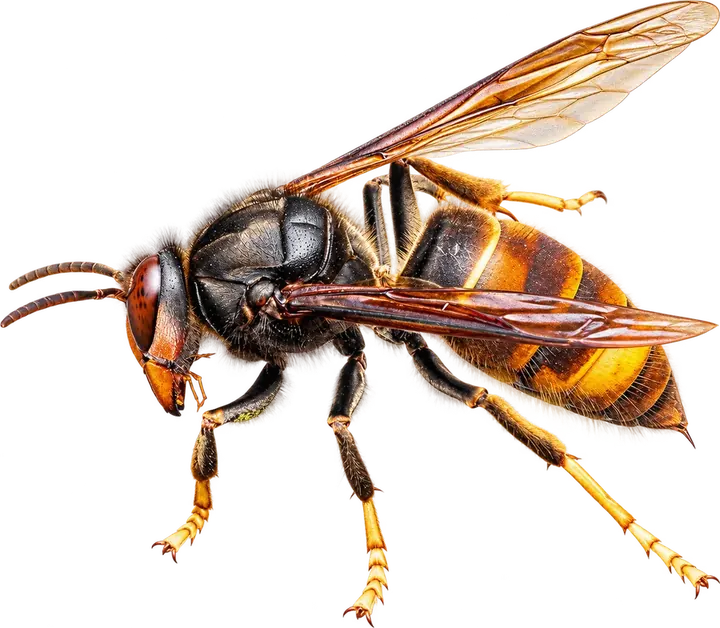
High risk
Hornet
Large wasps that build grey, football-shaped paper nests in trees, shrubs and under eaves.
View pest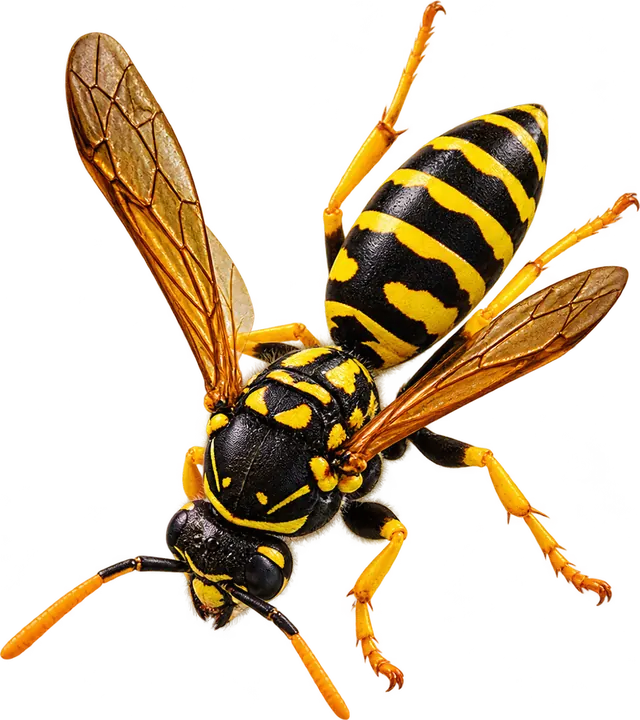
Moderate risk
Wasp
Slender paper wasps with long dangling legs that build open, umbrella-shaped nests under eaves, decks and railings.
View pest