
Rodents
Deer Mouse
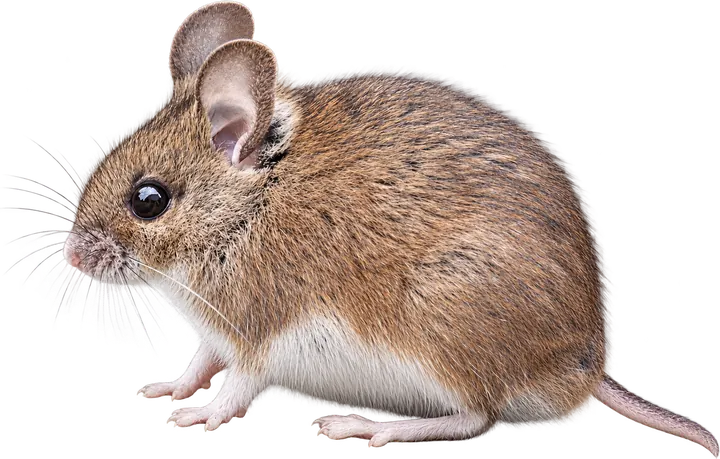
A native wild mouse with a white belly and feet that moves into cottages, sheds and rural homes in fall. It is the main carrier of hantavirus in Canada.
Quick facts
- Size
- 8–10 cm body, plus tail
- Colour
- Brown back, white belly and feet
- Active season
- Year-round; moves indoors in fall
- Where found
- Cottages, garages, sheds, rural homes
How to Identify
- Sandy-brown to grey-brown back with a sharply contrasting white belly and feet
- Large eyes and large ears
- Tail about as long as the body, dark on top and white underneath
Signs to Look For
- Small, dark, rice-sized droppings
- Shredded insulation, paper or fabric used for nests
- Stashes of seeds or nuts in drawers, boots or vehicles
- Scratching or gnawing sounds at night
Why It Matters
- Can carry hantavirus, spread through dust from droppings, urine and nesting material
- Contaminate food and stored belongings
- Chew wiring, insulation and vehicle components
Prevention Tips
- Seal gaps around foundations, vents and utility lines — mice fit through 6 mm openings
- Store bird seed, pet food and dry food in sealed containers
- Keep firewood and clutter away from the building
- Never sweep or vacuum droppings dry — wet them with disinfectant first and wear gloves
More Rodents
Related Pests
High risk
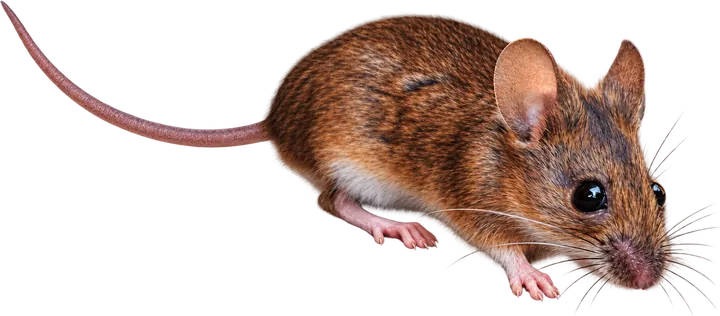
House Mouse
The most common rodent in Ontario homes and businesses.
View pest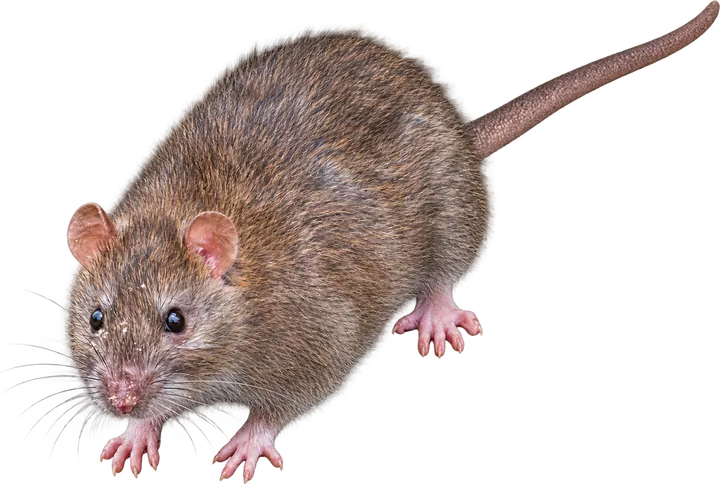
High risk
Norway Rat
A large, heavy-bodied burrowing rat that lives close to food and water — often around garbage areas, basements and commercial properties.
View pest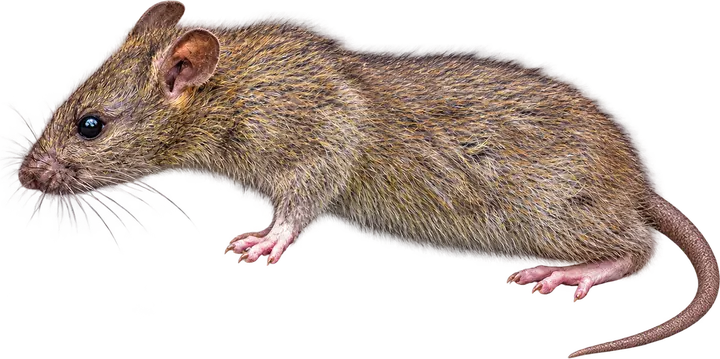
High risk
Roof Rat
A slender, agile climbing rat that nests high up in attics, roofs and trees.
View pest