
Ants
Carpenter Ant
The largest and most damaging ant in Northern Ontario. Carpenter ants tunnel into damp or damaged wood to build their nests.
Photo coming soon
Quick facts
- Size
- 6–13 mm (workers)
- Colour
- Black, sometimes with reddish parts
- Active season
- Spring to fall; year-round if nesting indoors
- Where found
- Damp or rotting wood, wall voids, window frames, decks
How to Identify
- Large black ant, often over 6 mm long
- Evenly rounded back when viewed from the side
- A single bump (node) between the thorax and abdomen
Signs to Look For
- Small piles of sawdust-like wood shavings (frass)
- Large ants indoors, especially at night or in early spring
- Faint rustling sounds inside walls
- Winged ants indoors in spring
Why It Matters
- Hollow out wood, weakening sills, frames and structural members
- Often point to a moisture problem in the building
- Satellite colonies can spread through a home
Prevention Tips
- Fix leaks and replace damp or rotting wood
- Trim branches touching the roof or walls
- Store firewood away from the house and off the ground
- Seal gaps around utility lines
More Ants
Related Pests
Low risk
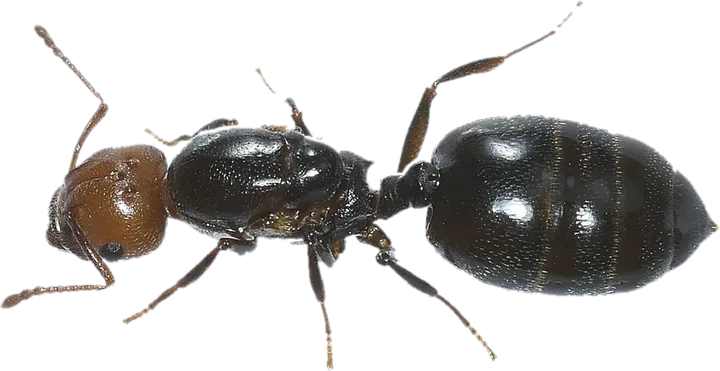
Big-Headed Ant
A small, light-brown ant whose larger workers have oversized heads.
View pest
Photo coming soon
Low risk
Citronella Ant
A yellow ant named for the lemon-like smell it gives off when crushed.
View pest
Photo coming soon
Moderate risk
European Fire Ant
An invasive, reddish-brown ant that stings aggressively when its nest is disturbed.
View pest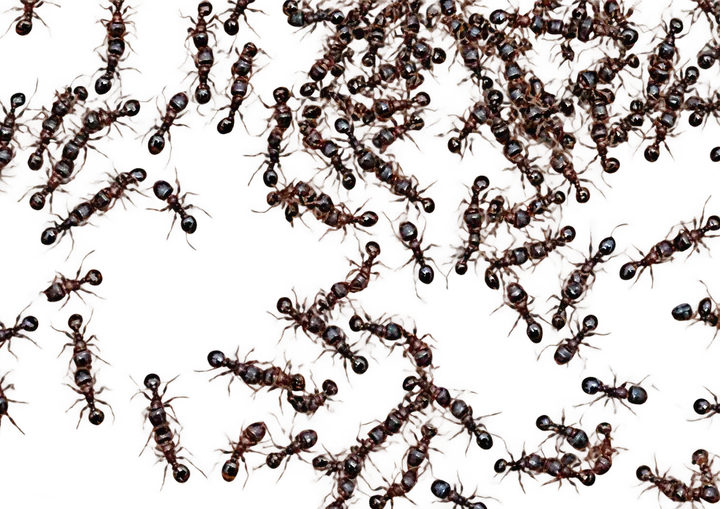
Low risk
Pavement Ant
Small, dark brown ants that nest under sidewalks, driveways and slabs, and often trail indoors looking for food.
View pest