
Ants
Big-Headed Ant
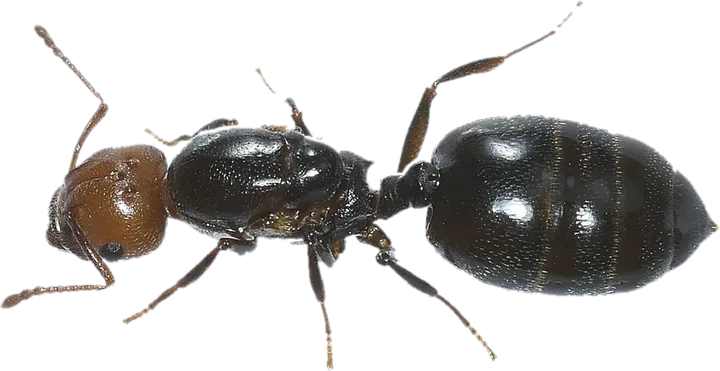
A small, light-brown ant whose larger workers have oversized heads. In Canada it is found mainly indoors — in heated buildings, greenhouses and potted plants.
Quick facts
- Size
- 2–4 mm
- Colour
- Light brown to reddish-brown
- Active season
- Year-round indoors
- Where found
- Greenhouses, heated buildings, potted plants, wall voids
How to Identify
- Two worker sizes: small workers and larger "majors" with very large heads
- Light brown to reddish-brown body
- Travels in trails along edges and baseboards
Signs to Look For
- Trails of small ants to food, especially proteins and grease
- Small piles of soil or debris near cracks and planters
- Ants coming from potted plants or floor drains
Why It Matters
- Contaminate food and food-prep areas
- Protect sap-feeding insects like aphids and scale, harming plants
- Colonies have many queens and can spread through a building
Prevention Tips
- Clean up food and grease spills promptly
- Inspect new plants before bringing them indoors
- Seal cracks around baseboards and plumbing
- Fix leaks and reduce moisture
More Ants
Related Pests
Photo coming soon
High risk
Carpenter Ant
The largest and most damaging ant in Northern Ontario.
View pest
Photo coming soon
Low risk
Citronella Ant
A yellow ant named for the lemon-like smell it gives off when crushed.
View pest
Photo coming soon
Moderate risk
European Fire Ant
An invasive, reddish-brown ant that stings aggressively when its nest is disturbed.
View pest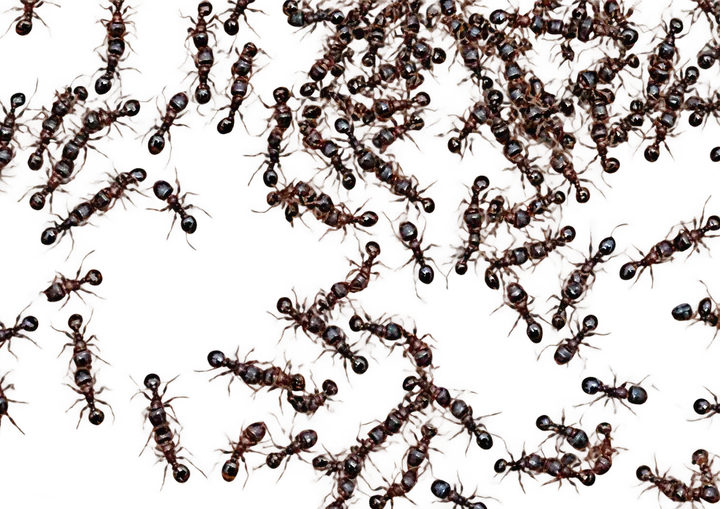
Low risk
Pavement Ant
Small, dark brown ants that nest under sidewalks, driveways and slabs, and often trail indoors looking for food.
View pest